Please send your contribution using the following bank account number:
02 0492 0447852 000
Thank you for supporting the protection of our native kiwi. Your generosity makes a real difference!
]]>
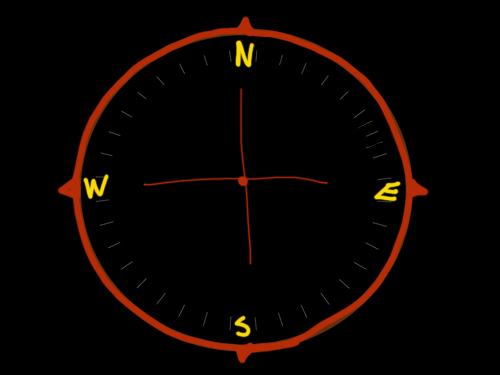
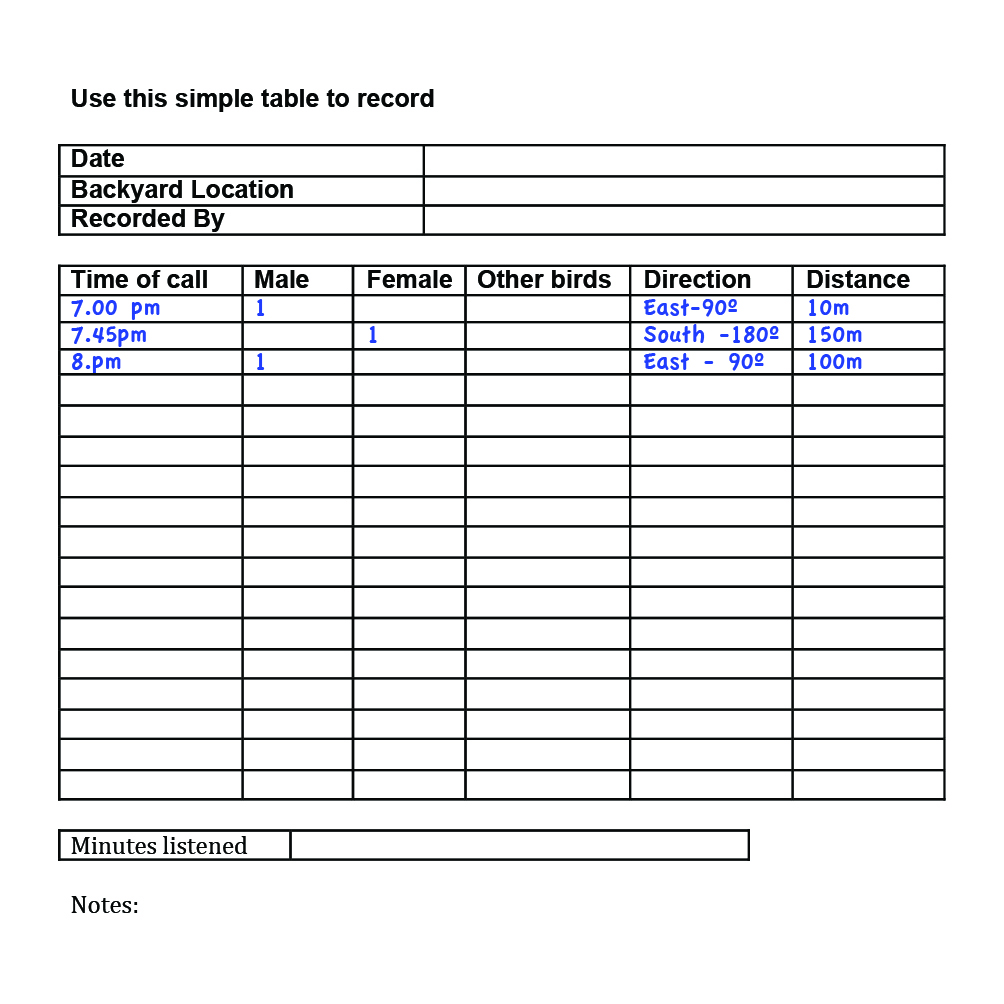
It is great to know the number of kiwi calls heard at your place and if possible it is even better to know where the kiwi are located. It is sometimes quite tricky to work out exactly where the calling kiwi is located but you will get better with practice
Listen to male and female calls
Download a data sheet to fill in
Heres how you can do it:
Over time you will build up a picture of where the different kiwi are located
]]>
Hi everyone just updating you on Backyard Kiwi happenings during the “shut down” month. While we are all staying in our bubbles Todd has stopped trapping and radio monitoring kiwi. We are lucky to have a good healthy kiwi population of over 900 adults thanks to everyone’s hard work over the past twenty years so a month of not trapping is not a major problem, particularly at this end of the stoat season with few young chicks at risk.
The break from radio monitoring will mean a bit of a scrabble to find the mobile recently released kiwi and locate any nests from the older fellas in a months time.
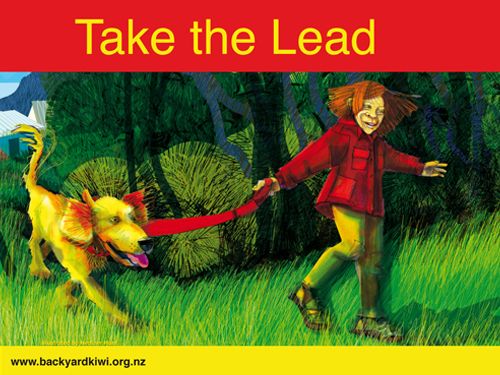
But the biggest risk to kiwi remains uncontrolled dogs. We have quite a ‘visitors’ and people who have come to stay at their batches for the month with their pets. There are also more of us locals with time to walk our dogs so please remember your dog’s “Social Distancing” from kiwi by keeping them on a lead!! We have already had trouble with an increase in uncontrolled dogs in the past few days so please politely remind visitors to put their dog on a lead.
]]>
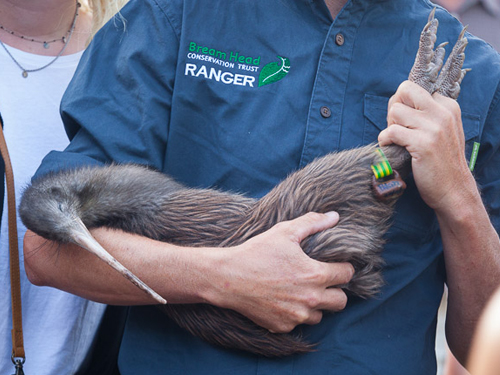
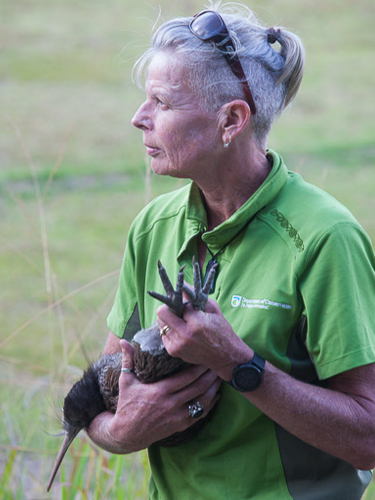
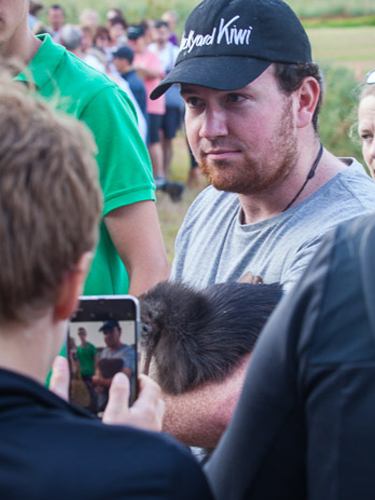
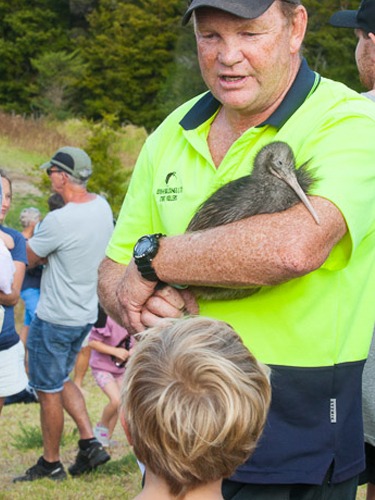
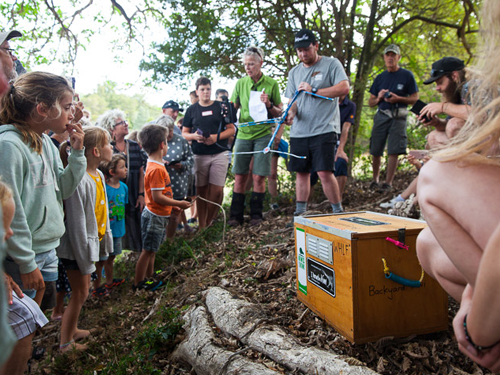
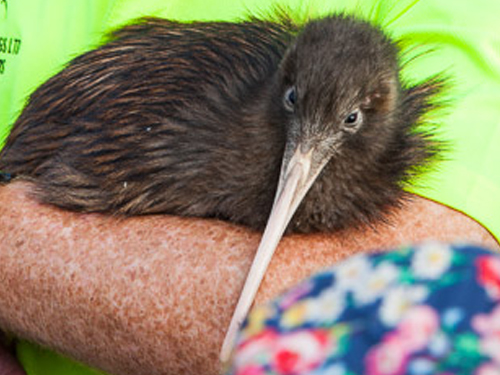
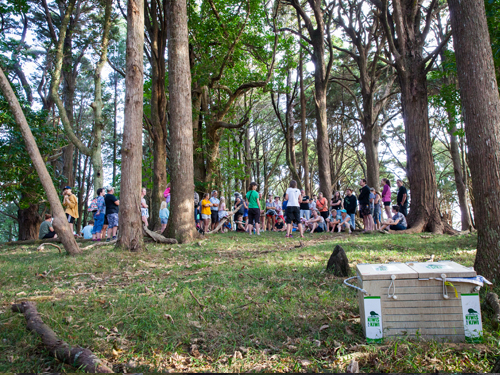
The release was part of Backyard Kiwi’s ongoing kiwi recovery work in the wider Whangarei Heads and Parua Bay area. The releases and the follow up radio monitoring of the kiwi are a cornerstone of engaging locals with their kiwi. Seeing is believing.
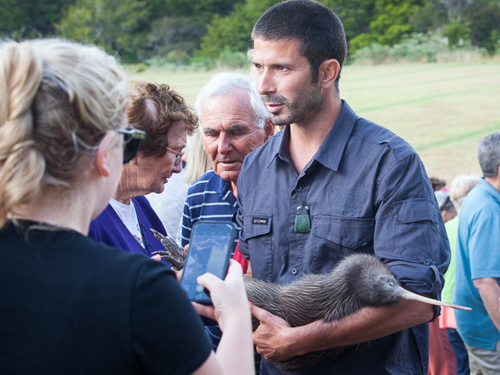
The kiwi were two adult females “Hancock” and “Toanga” (named by Hancock Forestry Managers and North Power), a male named “Kohi” by Robyn Bigelow of WH Weed Action and Kohinui Landcare, and two younger females (“Jemima” named by FOMLI and “Kaitiaki” named by the Whangarei Deaf community).
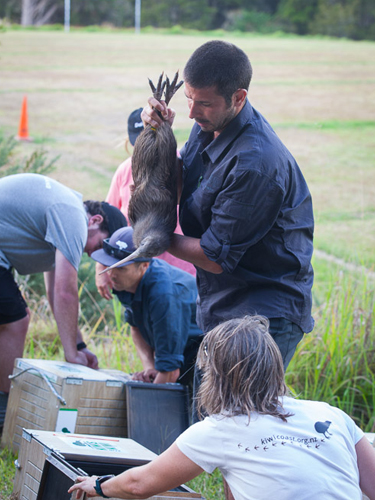
The released kiwi are part of an ONE program where young chicks are transferred from the Purua area west of Whangarei to the Limestone Island kiwi crèche to grow up to over 1200g before being released back on the mainland. Thanks to Ngati Hine, Purua farmers, DoC, FOMLI (the community group managing Limestone Island), Kiwi Coast, NRC, Kiwis for kiwi funding and others for their support of this program.
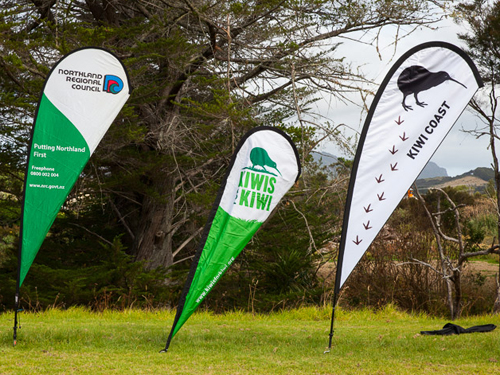
Uncontrolled dogs are the biggest threat to the local kiwi population so this is the message that is given loud and clear at the release – don’t let your dog wander and walk it on a lead! And it is working with over 900 kiwi now on the Whangarei peninsula more kiwi are making their way north of Parua Bay into the “Kiwi Link” area, where locals are working hard to look after their kiwi with stoat trapping and good dog control to repeat the success of the Heads community.
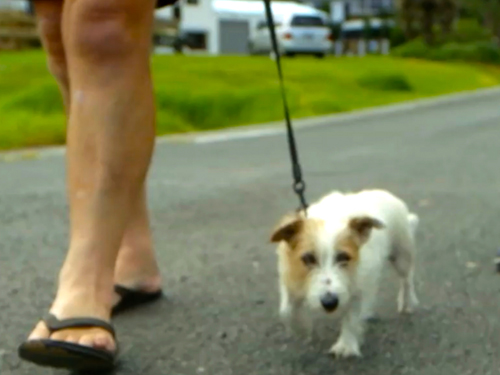
Take the lead
The kiwi have settled well into their new home spending time in the wetlands and in nearby paddocks feeding up on crickets. They will be calling to the local kiwi and sorting out who will settle where.Kaitiaki is still near the release area on the Ross’s property, Kohi and Jemima have headed north down Taraunui Road, and Hancock and Toanga have headed east to the pine block between Owhiwa Road and Taraunui Road. Thanks to all who made their release so successful.
keep and eye out for Todd’s monthly report on the kiwi and the map tracking their progress.
Special thanks to Wendy Bown for Kiwi release photographs
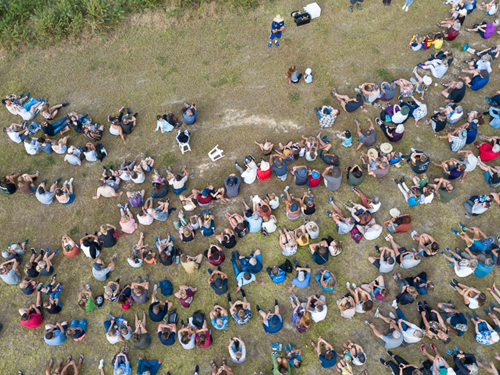
]]>WHLF Backyard Kiwi invite you to attend a community kiwi release. Learn about kiwi at Whangarei Heads, see a wild kiwi up close and take part in the release of kiwi into the area.
5.30pm, Sunday February 16
At Parua Bay
Park at the Parua Bay Community Centre and walk down to the rugby field (if wet we will be in the hall).
Short walk to the release site optional
(wear shoes for walking)
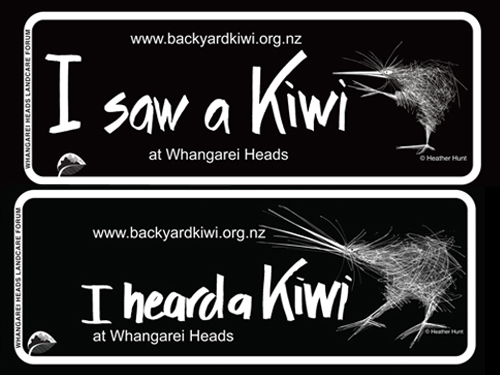
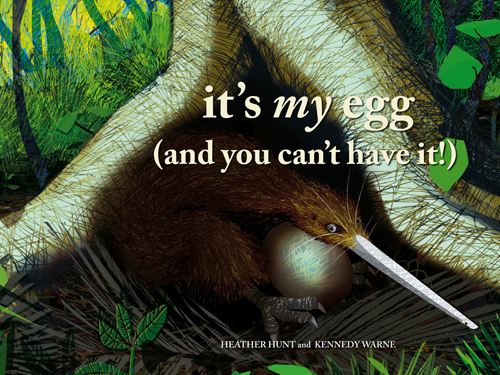
Backyard Kiwi Hats ($25), Bumper Stickers ($5) and picture books ( $20-30) will be available for purchase
picture book
For more information, call Todd on 021 1145 385 or todd@backyardkiwi.org.nz
Check out Facebook & our website
www.backyardkiwi.org.nz
]]>
Despite the dry conditions 2019 has been another good year for kiwi of Whangarei Heads and the wider area.
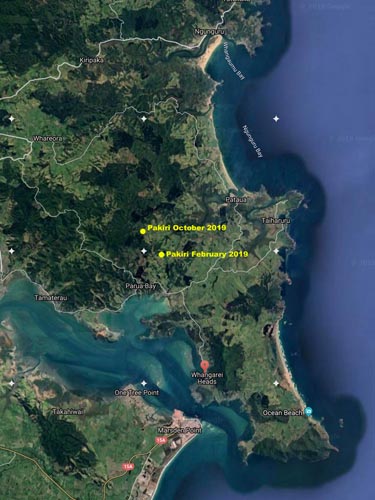
Monitred kiwi, Whitu, Darwin, Wally and Moa all had successful nests and Wally has now started his second for the season. Radio monitored kiwi released at Parua Bay have moved into the “Kiwi Link” area north of our traditional kiwi stronghold. Ross has settled at Pepi road by the golf course, Teina up at Owhiwa Road, Malaika near Ross road, Awhi and Harikoa at Campbell road and Pakiri traveled as far north as the Whanui pines off Pataua North Road.
These monitored kiwi are just a fraction of the 900 plus adult kiwi in our area. The population continues to grow and spread thanks to our stoat control network protecting chicks and more importantly locals controlling their dogs to minimise dog kills of kiwi. Please remind any summer visitors to keep their dogs on a lead!
Best wishes for the the festive season from all of the Backyard Kiwi team.
Watch the full ‘Take the Lead’ video on the Backyard Kiwi you tube channel.
]]>
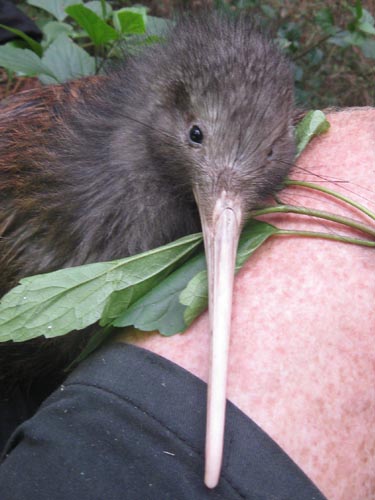
Pakiri was part of our kiwi release program that involves public kiwi releases and follow up radio monitoring to further engage communities with their kiwi. He hatched in October 2017 on the Lovell’s farm at Purua and was transferred to the Limestone Island creche. In February 2019 he was re-caught and had grown to 1400g and released at the Backyard Kiwi release at Parua Bay. His radio transmitter allowed us to follow his journey north. After a couple of months finding his feet in the Ross’s pine block between Taraunui rd and Lamb rd he wandered north to first Ross rd and then further down Taraunui rd. We lost contact with him for a few weeks before Carl of Pataua North Land Care picked up his signal in their area. We caught up with him back in August for a health check and transmitter band change – at that stage he was in the Whanui forestry block at the very end of Taraunui rd. We lost contact with him again until recently. Unfortunately when we caught up with him we found his long dead body, the broken bones are being checked to try a determine how he died. There have been 9 kiwi released in the past two years at Parua Bay and Pakiri is our first death but his travels through the “Kiwi Link” area north of the traditional kiwi strong hold of Whangarei Heads are proof of the kiwi corridor concept with kiwi moving between the different areas managed by local community groups
We call the tracked kiwi that head out west and north of the peninsula our ‘Frontier Birds’ they lead the way, enabling us to make new connections with land owners and residents in the wider area. When people know they have kiwi living nearby they engage with pest and predator control, take extra care with their pet dogs and talk to their neighbours. Kiwi like Pakiri play an important role in connecting neighbours and communities and are a significant factor in the expanding areas of pest and predator control and ultimately an improved biodiversity/ environment in this district
]]>
New Zealanders have been in awe of our new Prime Minister having produced a baby and taken on the new role of leading the country at the same time with the help of her partner Clarke Gayford.However, job sharing is nothing new for kiwi. For millions of years dedicated kiwi parents have worked together to successfully hatch their precious chicks. You will by now realise that we are not talking about human Kiwi’s any more, but our iconic kiwi bird.
New Kiwi Mates print release at book launch
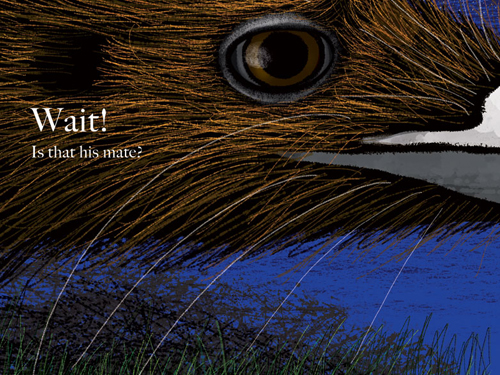
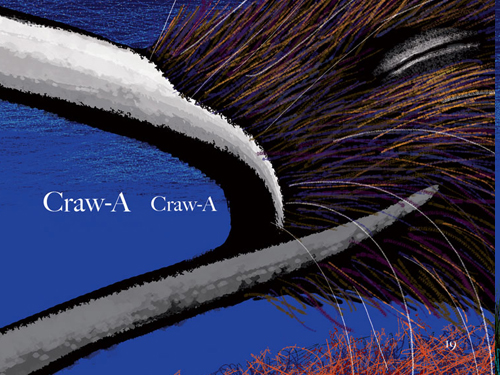
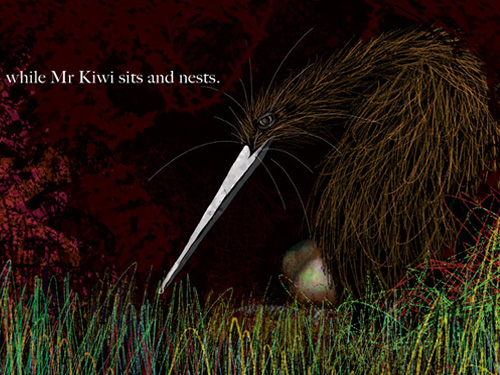
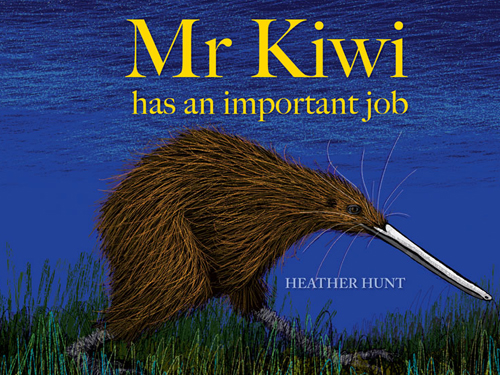
Heather Hunt’s new picture book celebrates the fantastic relationship between male and female kiwi. Using a simple poetic, text and illustrated with Heather’s stunning drawings, Mr Kiwi has an Important Job’ is another ‘read aloud hit’ with our younger readers.
With considerable information about the childcare, diet, habitat and behaviour of our national bird – ‘Mr Kiwi’ has something for everyone, particularly 4-8 year olds.
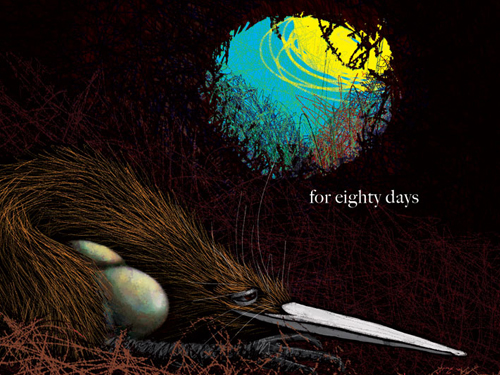
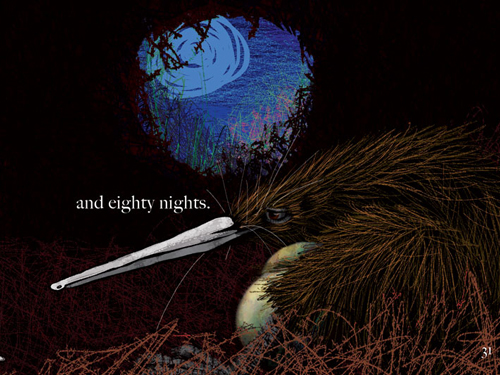
By working together both the male and female North Island brown kiwi play a crucial role in the survival of their young. After producing two enormous eggs, (one of the largest in the world for her size) the female kiwi is completely exhausted and calls to her partner to take over. Mr Kiwi then spends 80 days sitting on these two huge eggs, only leaving them for short periods each night to for a snack and toilet stop! When hatch time nears he hardly leaves the eggs at all, even though he is now extremely hungry and has developed a ‘brood patch’ where he has lost most of his chest feathers from the long sitting. Astoundingly kiwi have been doing this for millions of years. We can certainly learn something from this partnership!
Heather has illustrated and written this new book based on the huge knowledge that she has gathered over the last 10 years working with Backyard Kiwi.
Watch out for the launch at McLeod Bay Hall Sunday 22nd September at 3.pm.
In celebration of this picture book a new kiwi print will be released at the book launch ‘Kiwi Mates’ is inspired by the wonderful example shown us by our national bird the kiwi.
To see more of Mr Kiwi and the new Kiwi Mates print go to www.heatherhunt.co.nz
Picture books and prints can be ordered from Heather’s website
Proceeds from the kiwi prints go to the Backyard Kiwi project
]]>
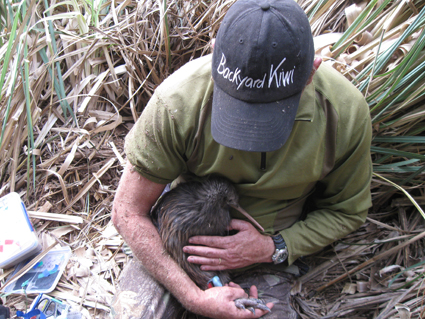
Todd caught up with Lambert this month and removed his tx (radio transmitter) .Thanks to consistent tracking for over 10 years we have enjoyed a rare insight into the world of a wild kiwi in the 21st century.
We started monitoring Lambert ‘s life at Whangarei Heads in 2008 and he has been a great breeder. The information gathered from this bird has increased our understanding of kiwi behaviour and been a huge encouragement to the ongoing pest and predator control undertaken in the district.
Lambert was released at Whangarei Heads in 2008 as a two year old and quickly found a mate and since then he has lived in the pampas on the Taurikura ridge. Lambert and his mate proved to be champion breeders and have successfully hatched that’s 27 chicks in 9 seasons! On average 3 chicks a year – well above the expected 2.5 chicks per year.
Lambert still has 40 productive years in front of him and we wish him well in his future private life!
Lamberts whakapapa and life is recorded in the Local Kiwi Profiles section on the Backyard kiwi website
Here are some photos of just a few of his chicks.
2014
2015
2015 20 chicks so far!
2016
Lamberts whakapapa and life at Whangarei Heads is recorded in the Local Kiwi Profiles section on the Backyard kiwi website.
Kia Kaha Lambert!
We wish you and long and productive life.
]]>
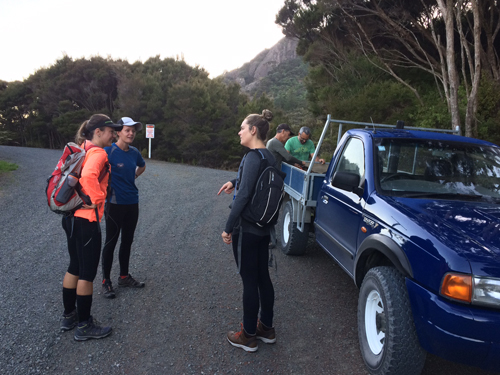
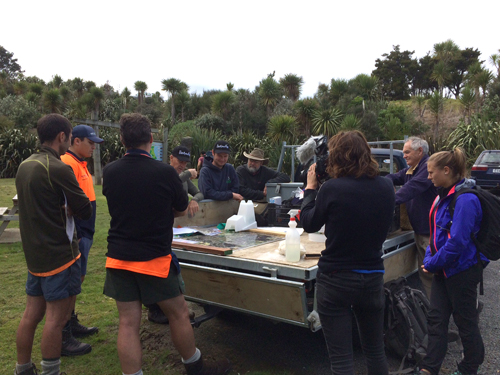
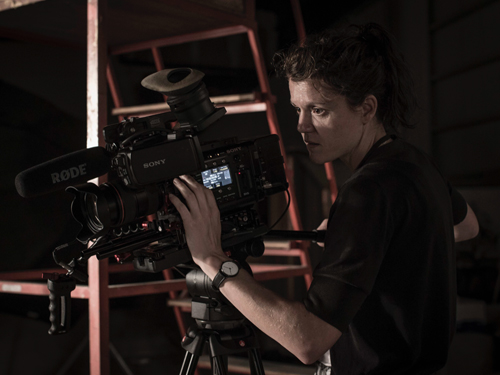
To help with our pilot series of short video stories, Wendy Bown has been getting out in the bush shooting bait lines with some of the Whangarei Heads Landcare team, climbing around Mount Manaia.
Wendy comes from a film and TV background having worked for Weta workshop in Wellington on over twenty film and TV shows. She now lives in Whangarei Heads enjoying the lifestyle and vibrant community.
Backyard kiwi are delighted to have Wendy Bown on our team , Wendy will be showing her fine art photography work in the Easter Arts Trail at Taurikura hall. For more on her work visit her website here: wendybown.co.nz and her blog
Keep an eye out for the next Backyard Kiwi video story coming soon around the control of pests and predators.
]]>